
The Importance of Vents for Drain Pipes
When it comes to plumbing, most homeowners are familiar with the visible components like faucets, sinks, and toilets. However, one crucial yet often overlooked element is the venting system for drain pipes. Proper venting is essential for the effective functioning of your plumbing system, and here’s why:
1. Preventing Drainage Problems
Vents play a vital role in maintaining proper air pressure within the plumbing system. Without adequate venting, a vacuum can form in the pipes, making it difficult for water and waste to flow freely. This can lead to slow drainage, frequent clogs, and even complete blockages. By allowing air to enter the system, vents ensure that water flows smoothly through the pipes, preventing these common drainage problems.
2. Avoiding Sewer Gas Buildup
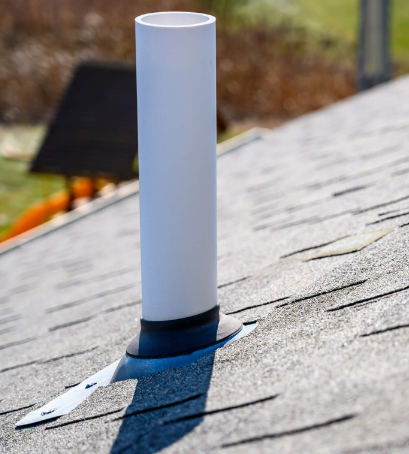
One of the most important functions of vent pipes is to prevent the buildup of sewer gases inside your home. Sewer gases, which include methane and hydrogen sulfide, can be hazardous to your health and pose a risk of explosion. Vents provide a safe outlet for these gases, directing them out of your home and into the atmosphere. This not only keeps your home smelling fresh but also protects you and your family from potential health hazards.
3. Protecting Traps from Siphoning
Traps are U-shaped sections of pipe located beneath sinks, showers, and other fixtures. They hold a small amount of water, creating a barrier that prevents sewer gases from entering your home. Without proper venting, the pressure changes in the plumbing system can cause the water in traps to be siphoned away, breaking the seal and allowing sewer gases to escape. Vents help maintain consistent pressure in the system, ensuring that traps function effectively.
4. Ensuring Efficient Waste Removal
An efficiently vented plumbing system helps waste and water to move smoothly through the pipes. When vents are clogged or nonexistent, the flow of water can be impeded, leading to backups and increased pressure on the pipes. Over time, this can cause leaks, pipe bursts, and costly repairs. Proper venting reduces the strain on your plumbing system, ensuring efficient waste removal and prolonging the lifespan of your pipes.
5. Meeting Building Codes and Standards
Building codes and standards require proper venting in plumbing systems to ensure safety and functionality. These regulations are in place to protect homeowners and occupants from the dangers of poor plumbing practices. By ensuring that your plumbing system is correctly vented, you not only comply with local building codes but also safeguard the health and well-being of everyone in your home.
Conclusion
While vents for drain pipes may be hidden from view, their role in maintaining a functional and safe plumbing system is indispensable. Proper venting prevents drainage issues, protects against harmful sewer gases, preserves the integrity of traps, ensures efficient waste removal, and helps you meet building standards. If you suspect that your plumbing system lacks adequate venting or if you’re experiencing recurring drainage problems, it’s essential to consult a professional plumber. They can assess your system, identify any issues, and ensure that your vents are functioning correctly, providing you with peace of mind and a smoothly operating plumbing system.